
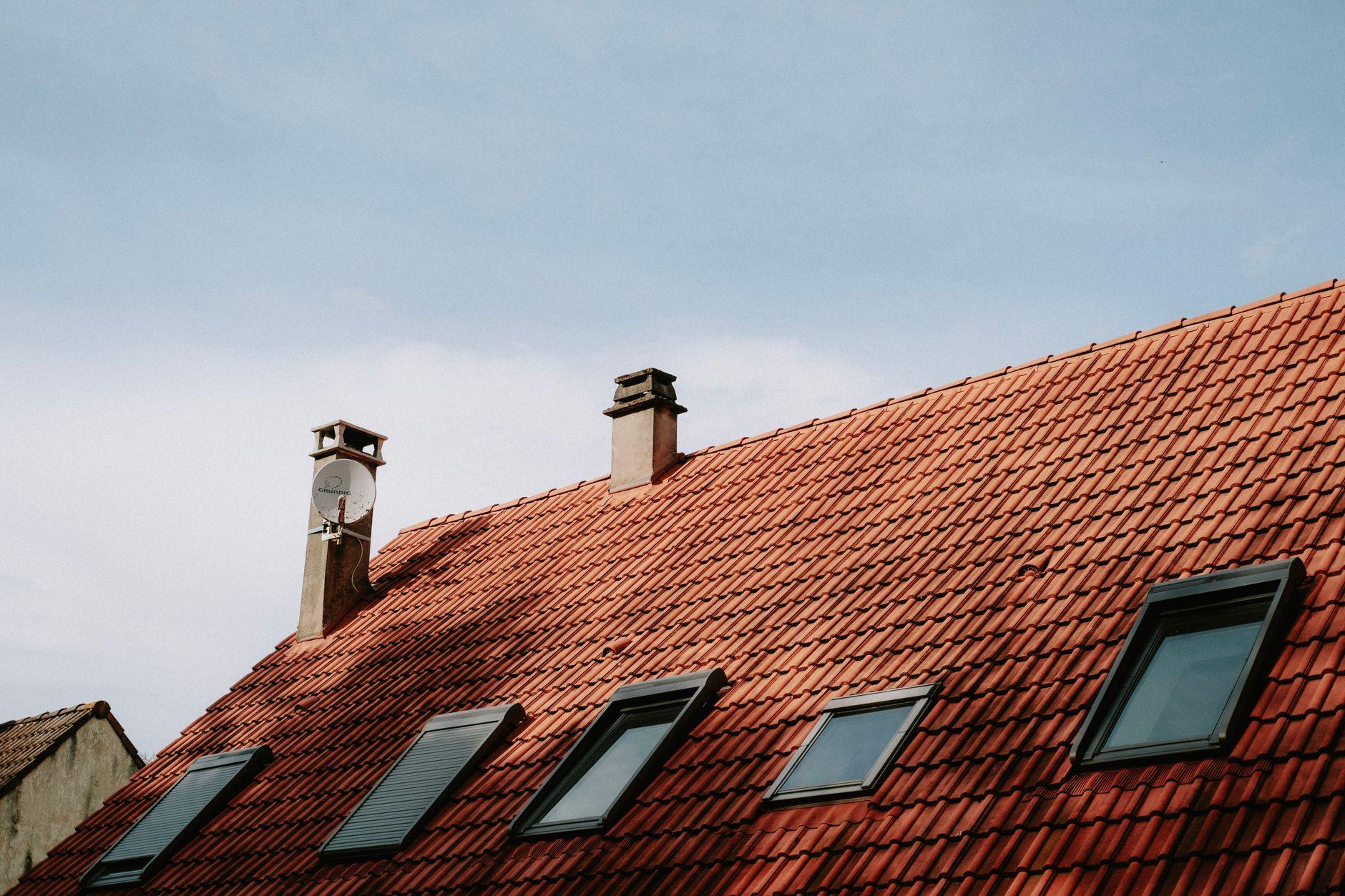
Fireplace Cleaning in Pomona
What Are You Hearing Up There?
Give us a line on the noise, smell or mess, and whether fireplace cleaning sounds right to you. We call back from Pomona to set the visit.
Inside the Visit
A firebox collects more than ash. Leaves blow down an open flue, birds drop nesting, and a winter of fires coats the doors and the brick face. We clear the box and the smoke shelf, vacuum through a filtered unit, clean the glass, wipe the surround where the finish allows and work the damper. The room stays sheeted while we do it.
What Piles Up Down at the Bottom
The firebox and the ledge just above the damper catch everything that falls down a chimney. In Pomona that means ash from your own fires, flakes of creosote that let go of the flue, leaves blown in past the top, and more often than owners expect, sticks and grass from a nest built higher up. The smoke shelf, the ledge behind the damper, is where the pile gets deepest, and you cannot see it from the room. Left there it holds damp, smells sour on warm days and can catch a spark from the next fire. This visit reaches into that space. We clear the shelf and the top of the damper first, so nothing falls on a freshly cleaned floor, then take the ash and grit out of the box, brush the brick, and finish with the doors, the screen and any soot on the face of the surround that the material will let us lift. Dust goes into a filtered vacuum and the room is covered before anything moves.
A cleaning is not a sweep. It does not run brushes up the full flue, so it suits a fireplace that sees a few fires a year and has a cap keeping things out of the chimney. If the flue has not been brushed in a few winters, or the debris on the smoke shelf includes nest material, the flue above probably needs a sweep too, and we tell you. The two are often booked for one visit. Smell is the most common reason owners in La Verne and Claremont ask for this visit. A fireplace that reeks like an old campfire after rain, or like something died, usually has wet ash or debris sitting on that shelf, and clearing it fixes the smell faster than any candle will. Gas fireplaces have their own cleaning page, because their burner, logs and glass call for different care and different tools.
When a Cleaning Makes Sense
Spring is a good time: the burning season is over, the ash comes out before summer heat bakes the smell into the room, and if birds have started building in an open chimney we spot it early. Fall works too, as a quick reset before the first fire. Owners selling a house often book a cleaning so the fireplace shows well at the open house, and pairing it with an inspection gives buyers something far more useful than a clean box. If you rent out a house with a fireplace, a cleaning between tenants is a small cost that heads off complaints about smell and soot. In every case the visit ends with a short note on what we cleared and anything we noticed that needs more than a cleaning, such as a cracked firebrick, a damper that will not seat or a chimney top with no cap on it.
The price is set when you book, once we know what kind of fireplace it is and roughly how long since anyone cleaned it. If the box turns out to need the whole flue brushed, the job becomes a sweep, from $440, and we tell you before switching so there are no surprises on the day. For houses with more than one fireplace, each is looked at on its own, because a living room fireplace used every weekend and a bedroom one nobody has lit in years are rarely in the same state. Rental owners and managers in Pomona and Riverside can find how we handle several units on the property manager page. For a single house, use the contact page and mention whether the chimney has a cap, if you know, and what you have noticed: a smell, debris on the damper or something moving above it.
Four Habits on Every Sloane Chimney Care Job
Roof Checked Too
Cap, screen and crown looked at whatever the call
Mess Bagged Out
Nests, leaves and soot leave the house with us
Price on Paper
You see each line before anyone starts
Photos to Keep
Pictures of the flue and the top when we finish
Towns with a Fireplace Cleaning page
Pick your town for the local take on this job: the kinds of homes, the weather and what tends to move into chimneys there.
CA
Fireplace Cleaning in Pomona
Citrus money built Pomona from the 1880s, so some of its Victorian and Craftsman roofs carry very old open flues, and 66% of homes here predate 1980. Pigeons and roof rats read an uncapped clay top as a vacancy sign, so the cap is our first stop.
See this townCA
Fireplace Cleaning in La Verne
Tracts went up decade after decade here, the 1960s through the 1980s, and 69% of households own. Sparrows and roof rats treat an uncapped flue on one of those roofs like a hallway, and a snug mesh cap closes it.
See this townCA
Fireplace Cleaning in Claremont
Plenty of 1950s and 1960s ranch houses here hung on to a brick or block chimney, then swapped wood for gas logs. A gas fire still needs an open path up, and a twig nest from spring can wait there unseen until the first chilly evening.
See this townCA
Fireplace Cleaning in Riverside
Wood Streets and Mount Rubidoux Manor roofs, mostly Craftsman and period revival, are just the sort where a bird settles into an open flue. Orangecrest and Canyon Crest run factory-built and gas units, whose metal tops still want mesh against wasps and mice.
See this townOther Work We Take On
Chimney Sweep
Nests, leaves and soot pulled down the flue with rods and brushes, and the smoke shelf scooped clear of whatever landed on it.
Read more →Chimney Inspection
A walk over the firebox, damper, flue opening and roof top to find out what is living up there or getting in.
Read more →Chimney Repair
Cracked, chewed or loose parts of the chimney put back in order, from wobbly top bricks to a crown with gaps under it.
Read more →Fireplace Inspection
The room side looked over: firebox, damper, hearth and doors, with an eye out for droppings, stains and smells that point upward.
Read more →Fireplace Repair
Firebrick, joints, damper and doors set right after wear, heat or a nesting season left the fireplace unfit to use.
Read more →Chimney Level 2 Inspection
A camera sent up the whole flue for nests and blockages neither end can show, with a recording and a written report.
Read more →Chimney Cap Installation
A mesh-sided stainless cap measured to the flue top, so birds, raccoons, squirrels and blown leaves stay out on the roof.
Read more →Chimney Flashing Repair
Metal at the roof line resealed where water, roof rats or squirrels found a gap between the brick and the shingles.
Read more →Chimney Masonry Repair
Open joints and crumbling brick rebuilt so rain, bees and mice stop finding a way into the stack.
Read more →Chimney Rebuilds
A stack too loose to patch taken down and laid up again, with a cap and screen on top at the finish.
Read more →Gas Fireplace Cleaning
Burner, ports, logs and glass cleaned on a gas unit, and the outside vent checked for nests, webs and lint.
Read more →Gas Fireplace Repair
Pilots, valves, igniters and remotes put right on gas fireplaces, including units fouled by insects in the pilot tube.
Read more →Fireplace Remodel
A dated fireplace face replaced with new tile, stone or plaster, once the firebox behind it passes a check.
Read more →Fireplace Inserts
An insert fills the old fireplace, runs its own liner up the stack and leaves no open flue for drafts or animals.
Read more →Pellet Stove Repair
Jammed feeds, smoky starts and mid-burn shutdowns sorted on pellet stoves, plus the vent cleared of ash and outside nests.
Read more →Wood Stove Repair
Wood stoves put right: door seals, glass, baffles and firebrick, plus the stovepipe and its top checked for nests.
Read more →Gas Logs
Vented gas logs for owners who want the flame without hauling wood, set up once the flue is clear of nests.
Read more →Chimney Seismic Retrofit
Brick stacks braced, strapped or rebuilt lighter so the top of the chimney is less likely to fall in a strong quake.
Read more →Chimney Crown Repair
Cracked chimney tops sealed or poured again, ending the water and the wasp nests that move into the gaps.
Read more →Dryer Vent Cleaning
Lint packed in the duct and nests in the outside hood cleared, so the dryer finishes a load and the laundry room stays cool.
Read more →Chimney Liner Installation
Stainless liners set inside a cracked or bare flue and topped with a cap, so the new tube never becomes a nesting tube.
Read more →Chimney Leak Repair
Water in the attic or a wet ceiling by the chimney followed to its source, often a gap an animal widened, then sealed.
Read more →Chimney Waterproofing
Water repellent sprayed on the outside brick to slow soaking, done last after cracks, joints and metal have been repaired.
Read more →Chimney Damper Repair
Dampers that stick, rattle or no longer shut fixed or replaced, so cold air, smells and small animals stay up in the flue.
Read more →Chimney Chase Cover
Rusted lids on framed chimneys replaced with stainless ones cut to measure, with a screened cap where the pipe exits.
Read more →