
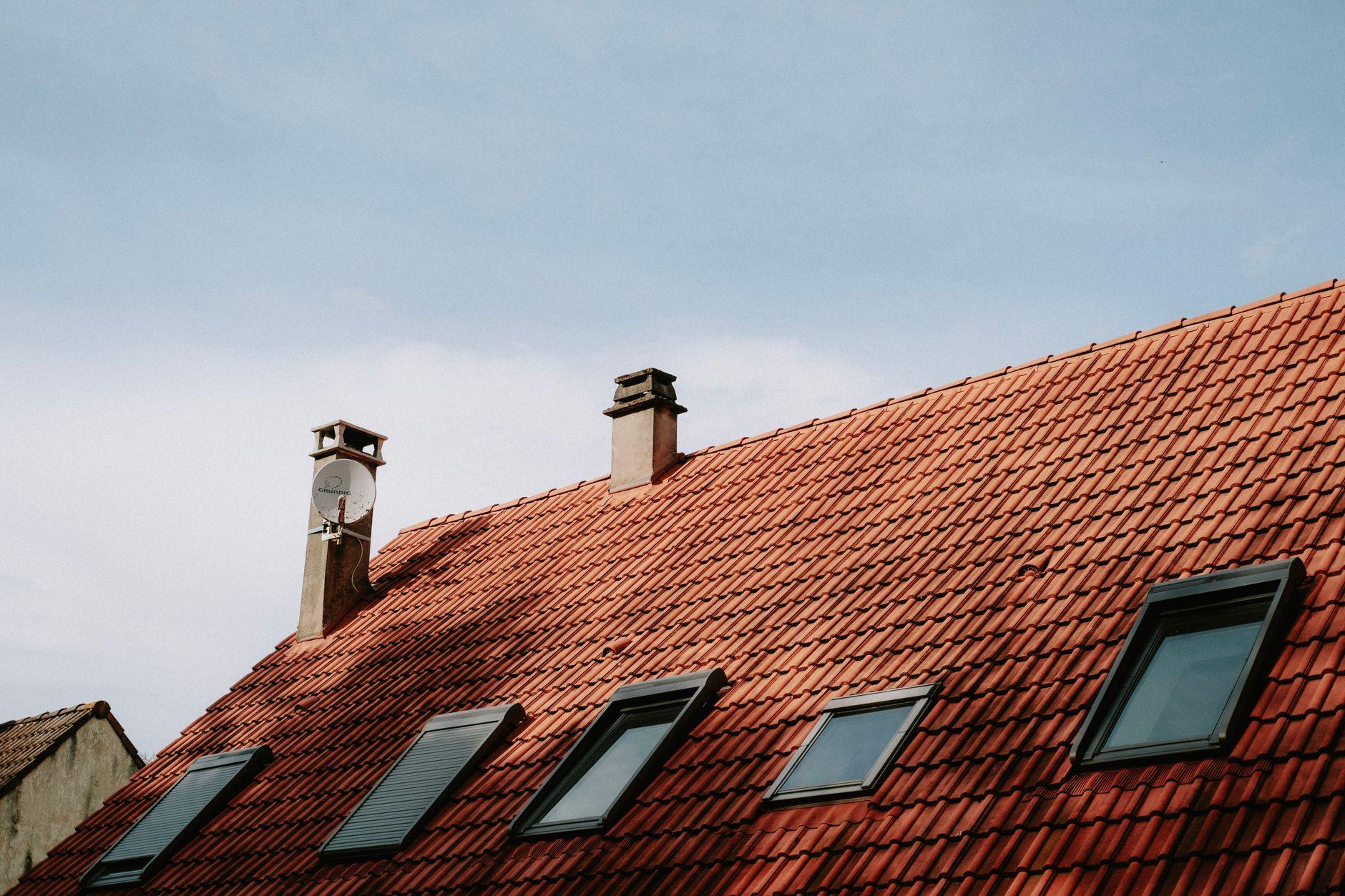
Chimney Masonry Repair in Pomona
What Are You Hearing Up There?
Give us a line on the noise, smell or mess, and whether chimney masonry repair sounds right to you. We call back from Pomona to set the visit.
Inside the Visit
Old mortar wears to sand, and the holes it leaves become homes for bees, wasps and mice well before they let in real water. We cut the sandy joints back, pack in fresh mortar no harder than the old brick, swap out faces that have flaked away and relay loose courses at the top. In Pomona masonry work is priced per job after we look the stack over, with photos at each stage.
What Open Joints Let In
Walk around an older chimney in Pomona and study the mortar lines. Where they have shrunk back from the face of the brick, or crumble when you drag a key along them, rain is getting in. The water soaks into the brick, sits there through the wet months and leaves again when the sun returns, pushing the face off the brick on its way out. That flaking is called spalling, and once it starts it speeds up. Open joints matter for our side of the work too. Wasps and bees build in hollow joints on the warm side of a stack. Roof rats climb the corners where the mortar is gone and squeeze into the cavity between the brick and the flue. And once a joint opens near the top, the crown and the cap sitting on it lose their footing as well. Refilling the joints keeps the brick dry and leaves nothing for an animal to move into.
The work is slow and careful. We cut the bad mortar out with a grinder until we reach firm material, brush the joint clean, and fill it back in layers where it is deep, then tool the face to match the joints around it. The mix matters a great deal. Plenty of chimneys built before the war have joints that are mostly lime, and they need a mix soft enough to give way before the brick does; a hard modern mortar packed into that wall makes the brick crack instead of the joint. We choose the mix for the brick, not for what is quickest to buy. Bricks that have flaked badly are cut out and replaced with brick picked to sit quietly beside the old, though a perfect match on an old chimney is rare and we say so up front. Where water got in long enough to damage the inside of the stack, the job grows into a partial rebuild.
How the Price Is Built
No two masonry jobs here cost the same, so this page has no published range. What we weigh is how many joints have failed and where, how many bricks need to come out, how high the work sits above the roof, and whether the crown and the roof metal need attention at the same visit. A small patch of joints on one face low on the roof is a short job. Refilling the whole stack above the roof and changing two dozen bricks is a much bigger one. After we have looked, you get a written figure broken down by face and by task, so you can see that the north side needs the most and the south side can wait a year. If the chimney is tall and loose enough that joint work will not hold it, we explain why and what the alternatives would cost. You choose; we do not start on a guess and send a larger bill later.
Masonry work in Pomona, La Verne and Claremont suits the dry months. Mortar needs time to cure without a hard rain on it, and most owners want the chimney closed up before the storms. Bits of mortar on the roof, grit in the firebox, wasps going in and out of the brick, or a brick that has slid out of line near the top are all good reasons to book a look. If a brick up top has already worked loose, stay off that side of the yard on windy days and leave it for us to take down safely. After joint work some owners add a water repellent to the brick above the roof; the waterproofing page covers when that is worth paying for and when it is not. To book, use the contact page and describe which side of the chimney looks worst from the yard and whether you have seen insects coming and going.
Four Habits on Every Sloane Chimney Care Job
Roof Checked Too
Cap, screen and crown looked at whatever the call
Mess Bagged Out
Nests, leaves and soot leave the house with us
Price on Paper
You see each line before anyone starts
Photos to Keep
Pictures of the flue and the top when we finish
Towns with a Chimney Masonry Repair page
Pick your town for the local take on this job: the kinds of homes, the weather and what tends to move into chimneys there.
CA
Chimney Masonry Repair in Pomona
Citrus money built Pomona from the 1880s, so some of its Victorian and Craftsman roofs carry very old open flues, and 66% of homes here predate 1980. Pigeons and roof rats read an uncapped clay top as a vacancy sign, so the cap is our first stop.
See this townCA
Chimney Masonry Repair in La Verne
Tracts went up decade after decade here, the 1960s through the 1980s, and 69% of households own. Sparrows and roof rats treat an uncapped flue on one of those roofs like a hallway, and a snug mesh cap closes it.
See this townCA
Chimney Masonry Repair in Claremont
Plenty of 1950s and 1960s ranch houses here hung on to a brick or block chimney, then swapped wood for gas logs. A gas fire still needs an open path up, and a twig nest from spring can wait there unseen until the first chilly evening.
See this townCA
Chimney Masonry Repair in Riverside
Wood Streets and Mount Rubidoux Manor roofs, mostly Craftsman and period revival, are just the sort where a bird settles into an open flue. Orangecrest and Canyon Crest run factory-built and gas units, whose metal tops still want mesh against wasps and mice.
See this townOther Work We Take On
Chimney Sweep
Nests, leaves and soot pulled down the flue with rods and brushes, and the smoke shelf scooped clear of whatever landed on it.
Read more →Chimney Inspection
A walk over the firebox, damper, flue opening and roof top to find out what is living up there or getting in.
Read more →Chimney Repair
Cracked, chewed or loose parts of the chimney put back in order, from wobbly top bricks to a crown with gaps under it.
Read more →Fireplace Inspection
The room side looked over: firebox, damper, hearth and doors, with an eye out for droppings, stains and smells that point upward.
Read more →Fireplace Repair
Firebrick, joints, damper and doors set right after wear, heat or a nesting season left the fireplace unfit to use.
Read more →Chimney Level 2 Inspection
A camera sent up the whole flue for nests and blockages neither end can show, with a recording and a written report.
Read more →Chimney Cap Installation
A mesh-sided stainless cap measured to the flue top, so birds, raccoons, squirrels and blown leaves stay out on the roof.
Read more →Chimney Flashing Repair
Metal at the roof line resealed where water, roof rats or squirrels found a gap between the brick and the shingles.
Read more →Chimney Rebuilds
A stack too loose to patch taken down and laid up again, with a cap and screen on top at the finish.
Read more →Fireplace Cleaning
Ash, soot, fallen nest and the odd feather cleared from the firebox and smoke shelf, with the doors and face wiped down.
Read more →Gas Fireplace Cleaning
Burner, ports, logs and glass cleaned on a gas unit, and the outside vent checked for nests, webs and lint.
Read more →Gas Fireplace Repair
Pilots, valves, igniters and remotes put right on gas fireplaces, including units fouled by insects in the pilot tube.
Read more →Fireplace Remodel
A dated fireplace face replaced with new tile, stone or plaster, once the firebox behind it passes a check.
Read more →Fireplace Inserts
An insert fills the old fireplace, runs its own liner up the stack and leaves no open flue for drafts or animals.
Read more →Pellet Stove Repair
Jammed feeds, smoky starts and mid-burn shutdowns sorted on pellet stoves, plus the vent cleared of ash and outside nests.
Read more →Wood Stove Repair
Wood stoves put right: door seals, glass, baffles and firebrick, plus the stovepipe and its top checked for nests.
Read more →Gas Logs
Vented gas logs for owners who want the flame without hauling wood, set up once the flue is clear of nests.
Read more →Chimney Seismic Retrofit
Brick stacks braced, strapped or rebuilt lighter so the top of the chimney is less likely to fall in a strong quake.
Read more →Chimney Crown Repair
Cracked chimney tops sealed or poured again, ending the water and the wasp nests that move into the gaps.
Read more →Dryer Vent Cleaning
Lint packed in the duct and nests in the outside hood cleared, so the dryer finishes a load and the laundry room stays cool.
Read more →Chimney Liner Installation
Stainless liners set inside a cracked or bare flue and topped with a cap, so the new tube never becomes a nesting tube.
Read more →Chimney Leak Repair
Water in the attic or a wet ceiling by the chimney followed to its source, often a gap an animal widened, then sealed.
Read more →Chimney Waterproofing
Water repellent sprayed on the outside brick to slow soaking, done last after cracks, joints and metal have been repaired.
Read more →Chimney Damper Repair
Dampers that stick, rattle or no longer shut fixed or replaced, so cold air, smells and small animals stay up in the flue.
Read more →Chimney Chase Cover
Rusted lids on framed chimneys replaced with stainless ones cut to measure, with a screened cap where the pipe exits.
Read more →