
Chimney Crown Repair in Pomona
What Are You Hearing Up There?
Give us a line on the noise, smell or mess, and whether chimney crown repair sounds right to you. We call back from Pomona to set the visit.
Inside the Visit
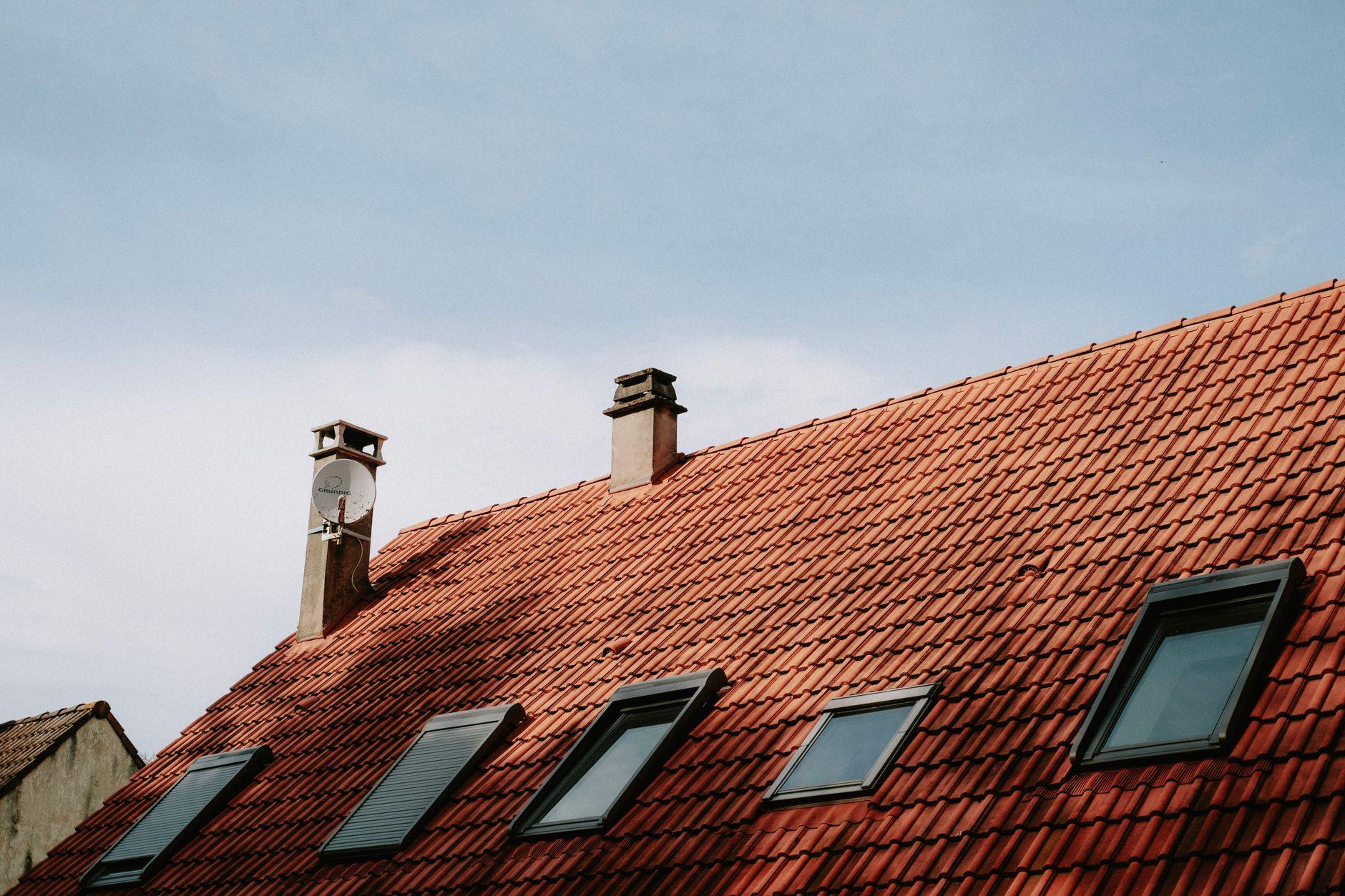
The crown takes sun, rain and every animal that crosses the roof. Fine cracks can be filled and coated. A crown that has broken apart, or was never more than a skin of mortar, gets broken off and replaced with a new pour that sheds water past the brick and leaves the flue tile room to expand. We photograph it from the roof and price the repair it actually needs.
Why Crowns Crack
The common crown on older houses here is a few inches of sand and cement spread by hand over the top course of brick. Often it is flat or barely pitched, stops flush with the edge instead of reaching past it, and is packed hard against the flue tile. Each fire warms the tile and makes it grow a little; summer sun and winter rain work on the rest. Fine cracks turn into open ones. Water then runs down through them into the brick and into the space beside the flue, where it rusts the damper and stains the ceiling inside. A cracked top also gives rats, squirrels and wasps an edge to work at. We often find paper wasp nests tucked under a broken crown edge, and rat runs where the crown has pulled away from the tile. A cap fixed to a crown that is crumbling can be lifted off by a determined raccoon in one night.
From the roof we look at the whole top: how wide the cracks are, whether pieces lift or rock, whether the surface slopes or holds puddles, whether it reaches past the brick, how it meets the flue tile, and how the cap is fixed to it. We also look at the brick just below, because a crown that has leaked for years usually leaves loose joints and flaking faces under it. Then we tell you which of two paths fits. If the crown is whole and only crazed, a coating made for crowns that moves with the concrete is brushed over it and worked into the cracks, which buys years for modest money. If pieces lift or rock, or water has already gone into the brick beneath, it is broken off and a new one formed: sloped, reaching past the brick so drips fall clear, and held off the tile by a soft joint.
What the Written Quote Covers
Crown work has no published price on this site, because a crown over one small flue and a crown spanning a wide double stack are very different jobs. Once we have seen the top, the written figure lists the path, coating or full recast, then each part of it: taking off the old crown, any brick under it that needs new joints, the form and the pour, the soft joint at the flue tile, and putting a cap back on. If your cap is chewed, rusted or missing, a new one goes on the same page. Caps are quoted on site, by size and style. Doing both together saves a second climb and makes sense, since the cap protects the new crown from the weather and the crown gives the cap something solid to grip. Nothing is added to the figure once work starts without a conversation first.
Crowns are poured in dry weather, so in Pomona, La Verne and Claremont the season runs from late spring into fall, with a gap for the hottest days, when concrete cures too fast. If water is already coming in, a temporary cover can hold it off until the weather allows the proper job. From a ladder or an upstairs window the top of a chimney can show dark lines across the concrete, crumbled corners or a cap sitting crooked, and any of those is worth a booking. So are flakes of grey grit in the firebox when no fire has been lit, or wasps flying in and out at the top of the chimney. Use the contact page to book a look and mention whether the chimney has a cap and whether you have noticed water inside near the fireplace after rain.
Four Habits on Every Sloane Chimney Care Job
Roof Checked Too
Cap, screen and crown looked at whatever the call
Mess Bagged Out
Nests, leaves and soot leave the house with us
Price on Paper
You see each line before anyone starts
Photos to Keep
Pictures of the flue and the top when we finish
Towns with a Chimney Crown Repair page
Pick your town for the local take on this job: the kinds of homes, the weather and what tends to move into chimneys there.
That town is not on this list yet. Try the one next door.
Other Work We Take On
Chimney Sweep
Nests, leaves and soot pulled down the flue with rods and brushes, and the smoke shelf scooped clear of whatever landed on it.
Read more →Chimney Inspection
A walk over the firebox, damper, flue opening and roof top to find out what is living up there or getting in.
Read more →Chimney Repair
Cracked, chewed or loose parts of the chimney put back in order, from wobbly top bricks to a crown with gaps under it.
Read more →Fireplace Inspection
The room side looked over: firebox, damper, hearth and doors, with an eye out for droppings, stains and smells that point upward.
Read more →Fireplace Repair
Firebrick, joints, damper and doors set right after wear, heat or a nesting season left the fireplace unfit to use.
Read more →Chimney Level 2 Inspection
A camera sent up the whole flue for nests and blockages neither end can show, with a recording and a written report.
Read more →Chimney Cap Installation
A mesh-sided stainless cap measured to the flue top, so birds, raccoons, squirrels and blown leaves stay out on the roof.
Read more →Chimney Flashing Repair
Metal at the roof line resealed where water, roof rats or squirrels found a gap between the brick and the shingles.
Read more →Chimney Masonry Repair
Open joints and crumbling brick rebuilt so rain, bees and mice stop finding a way into the stack.
Read more →Chimney Rebuilds
A stack too loose to patch taken down and laid up again, with a cap and screen on top at the finish.
Read more →Fireplace Cleaning
Ash, soot, fallen nest and the odd feather cleared from the firebox and smoke shelf, with the doors and face wiped down.
Read more →Gas Fireplace Cleaning
Burner, ports, logs and glass cleaned on a gas unit, and the outside vent checked for nests, webs and lint.
Read more →Gas Fireplace Repair
Pilots, valves, igniters and remotes put right on gas fireplaces, including units fouled by insects in the pilot tube.
Read more →Fireplace Remodel
A dated fireplace face replaced with new tile, stone or plaster, once the firebox behind it passes a check.
Read more →Fireplace Inserts
An insert fills the old fireplace, runs its own liner up the stack and leaves no open flue for drafts or animals.
Read more →Pellet Stove Repair
Jammed feeds, smoky starts and mid-burn shutdowns sorted on pellet stoves, plus the vent cleared of ash and outside nests.
Read more →Wood Stove Repair
Wood stoves put right: door seals, glass, baffles and firebrick, plus the stovepipe and its top checked for nests.
Read more →Gas Logs
Vented gas logs for owners who want the flame without hauling wood, set up once the flue is clear of nests.
Read more →Chimney Seismic Retrofit
Brick stacks braced, strapped or rebuilt lighter so the top of the chimney is less likely to fall in a strong quake.
Read more →Dryer Vent Cleaning
Lint packed in the duct and nests in the outside hood cleared, so the dryer finishes a load and the laundry room stays cool.
Read more →Chimney Liner Installation
Stainless liners set inside a cracked or bare flue and topped with a cap, so the new tube never becomes a nesting tube.
Read more →Chimney Leak Repair
Water in the attic or a wet ceiling by the chimney followed to its source, often a gap an animal widened, then sealed.
Read more →Chimney Waterproofing
Water repellent sprayed on the outside brick to slow soaking, done last after cracks, joints and metal have been repaired.
Read more →Chimney Damper Repair
Dampers that stick, rattle or no longer shut fixed or replaced, so cold air, smells and small animals stay up in the flue.
Read more →Chimney Chase Cover
Rusted lids on framed chimneys replaced with stainless ones cut to measure, with a screened cap where the pipe exits.
Read more →