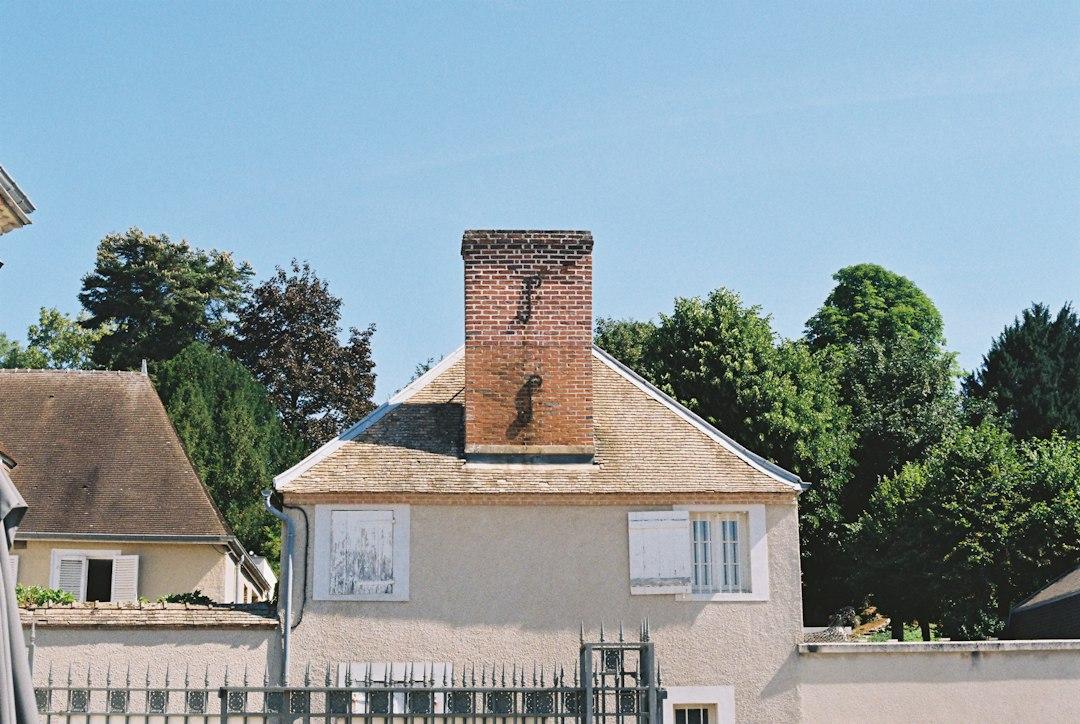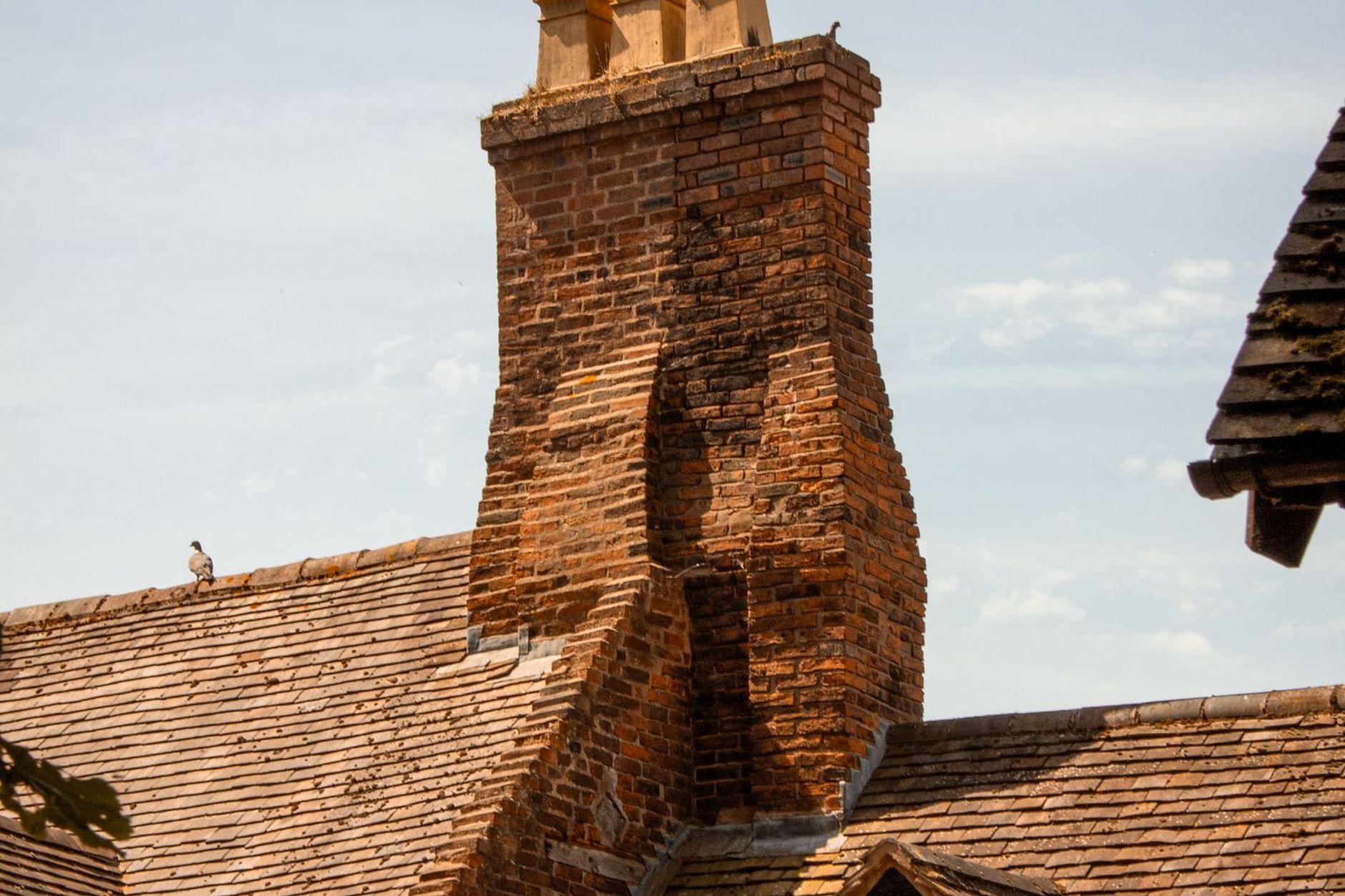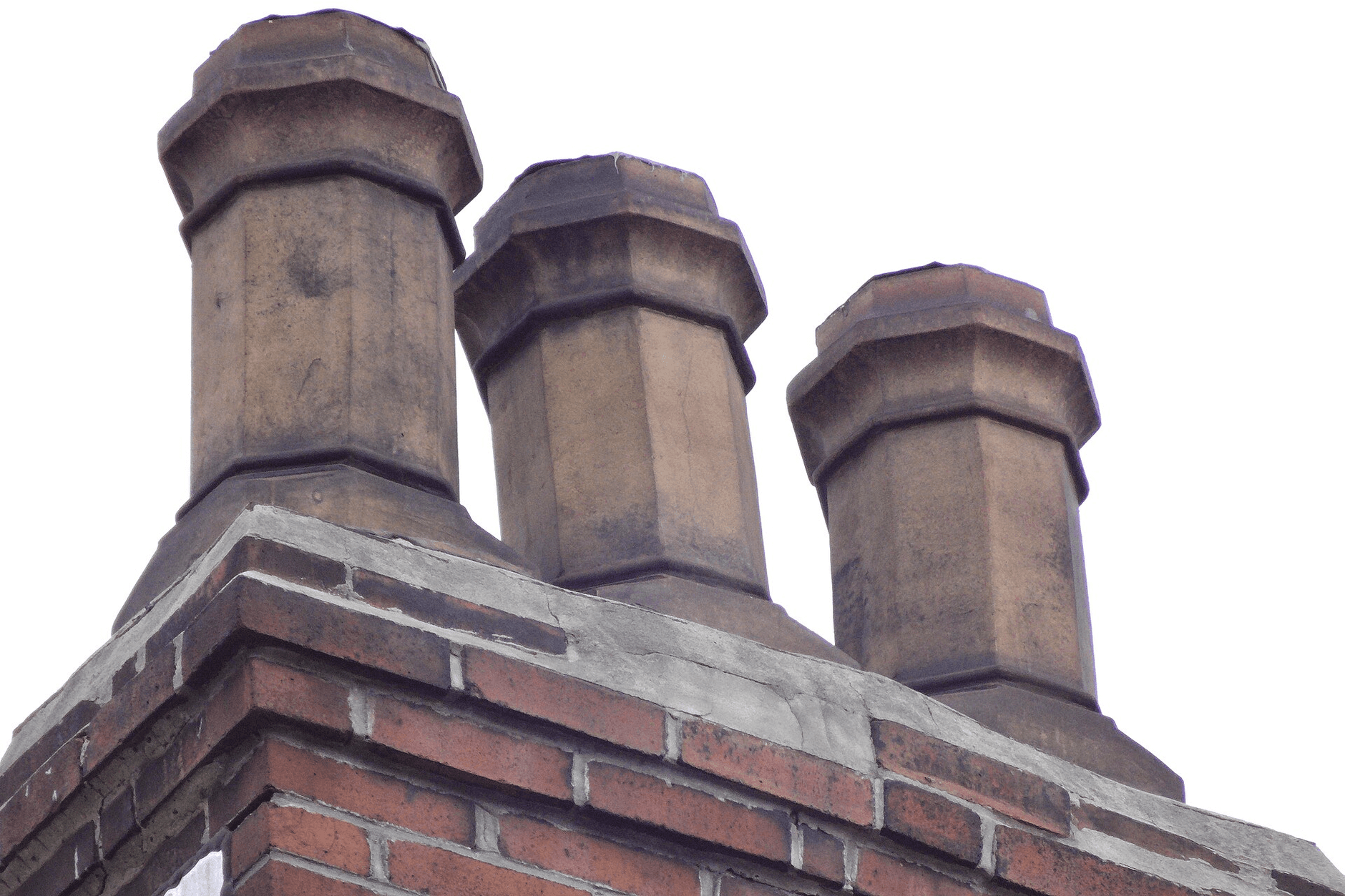

Two products promise to keep birds and squirrels out of a Pomona chimney, and owners often ask which one to buy. One is the ordinary cap: a metal lid on legs with mesh around the sides. The other is a sealing lid fitted at the very top of the flue, usually called a top-sealing damper, that closes the chimney off completely when the fireplace is cold. They overlap, they differ, and on some houses the answer is both.
The two in a sentence each
A mesh cap sits above the flue opening and stays open all the time. Smoke goes out through the mesh; birds, leaves and rain mostly stay out.
A top-sealing damper is a hinged metal lid with a rubber seal that sits on the top of the flue. A handle down in the firebox opens it before a fire and closes it afterwards. When closed it is airtight; when open it lets smoke straight out.
Most top-sealing models come with a mesh skirt or a small cap above them, so the lid and the screen arrive as one unit.
Side by side
| Question | Mesh cap | Top-sealing damper |
|---|---|---|
| Keeps animals out when the fireplace is unused? | Yes, if the mesh is whole | Yes, the lid is shut tight |
| Keeps animals out while a fire burns? | Yes | Only if it has its own mesh |
| Stops cold drafts and warm air escaping? | No | Yes, when closed |
| Stops rain going down the flue? | Mostly | Fully when closed |
| Replaces a rusted throat damper? | No | Yes, the old one can be left open |
| Moving parts to wear out? | None | Hinge, seal and handle |
| How it is priced | Quoted after we measure the flue | Written figure after the roof visit |
When a plain cap is enough
A cap suits most houses we see in Pomona. If the fireplace works, the old iron damper inside still opens and closes, and the problem is simply that birds and leaves keep dropping in, a cap with a sound mesh fixes it for years with nothing to wear out. Gas fireplaces with vented logs are a good fit too: the damper there has to stay open whenever the logs might be lit, so a sealing lid gains little.
Caps are also the right answer on a metal prefab chimney, where the top comes from the fireplace maker and a sealing lid is not part of the design.
When the sealing lid earns its price
A top-sealing damper makes the most sense when one or more of these is true:
- The old iron damper is rusted, warped or stuck. Rather than cutting out a damper deep in the firebox, the sealing lid takes over the job from the top.
- The fireplace is rarely used. A chimney left open all year pulls warm air out in winter and cool air out in summer. Shut tight, it stops doing that.
- Animals keep testing the cap. Raccoons sometimes pull at a mesh cap; a closed metal lid gives them nothing to work on.
- The room smells of soot on hot days. Air sinking down a closed-but-leaky chimney carries that smell. A sealed top stops the airflow.
Our damper repair page covers the throat damper side of this, including when an old one can be fixed rather than replaced.
The catches
A sealing lid has a hinge, a seal and a handle, and each can wear. The seal hardens over the years and the handle mount in the firebox can loosen. It also needs remembering: light a fire with the lid shut and the room fills with smoke within seconds. Households with guests, tenants or a holiday rental should weigh that.
With any gas appliance that relies on the chimney being open, a lid that can close is a poor match. We look at what is connected before recommending one.
What decides the price and the choice
The deciding facts are the size and shape of the flue tile at the top, how many flues share the crown, what you burn and the state of the existing damper. A cap is quoted after we measure. A top-sealing damper depends on the flue size and the model. We put its figure in writing too. When the old damper also needs attention, we list both options so you can compare the totals.
To get both priced for your own chimney, ask for a measured comparison and tell us whether you burn wood or gas and what has been getting in. We will measure once and give you the two numbers.
What we check on the visit
Either way, the visit looks at the same handful of things:
- Whether anything is living or nesting in the flue right now.
- The flue tile at the top: its size, its shape and whether it is cracked.
- The crown that the cap or lid will sit on or fix to.
- The iron damper in the throat: does it open, close and seal?
- What appliance, if any, is connected to the flue.
If the flue needs clearing first, the sweep starts from $440. If there is any doubt about the condition of the tile further down, a camera visit settles it before you spend money on the top.
A practical way to decide
Ask yourself two questions. Does your fireplace get used most winter weekends, or a few times a year at most? And does the existing damper still close properly? Regular use and a working damper point to a plain mesh cap. Rare use, a failed damper, or a house that feels drafty near the hearth point to a sealing lid.
Neither is wrong. The mistake is buying one without knowing what the other would have done. For caps on their own, see what sets the price of a chimney cap in Pomona, and if you are still hearing something inside, start with who to call for a chimney critter.
We fit both across Pomona, Claremont and the nearby cities. When you want someone to measure and lay the two side by side, our contact page is the place to start.
Something Nesting in Yours?
Leave the fire out for now. Sloane Chimney Care works out of Pomona, clears the flue, closes the way in and leaves you photos of both.